The Art and Science of Endurance (For Me, At Least)

The Art and Science of Endurance (For Me, At Least)
Endurance, for me, sits between art, science, and life. This is how I train, find balance, and prepare for this purposeful endeavour!
Most people assume endurance performance is built on doing more — more hours, more intensity, more data. For a long time, I thought the same. But what I’ve learned is that doing more doesn’t always make you better. In fact, for me, it often pulled me away from the very things that actually allow me to perform at my best.
What has worked far better (for me) is something simpler — finding a balance between the art and the science of performance, and building a system that fits my life, not fights it. The science gives me structure and direction, but the art lies in how I apply it — how I feel, how life is tracking, and how everything fits together on any given day.
At this stage of my life, I try to keep things anchored around three areas: my family, my work, and my training. When those three are aligned, everything tends to run smoothly. When one drifts, I feel it quickly across the others. Chasing that balance, however, is not always easy. There are times when my family makes sacrifices to support my training, and I am very aware of that. There are also periods where work requires more of me, and training has to take a step back. That is simply the reality of it.
For me, it is about managing that ebb and flow as best I can—adjusting when needed, staying flexible and not forcing things when life is pulling in a different direction. Balance is not something static; it is something I am constantly working to manage.
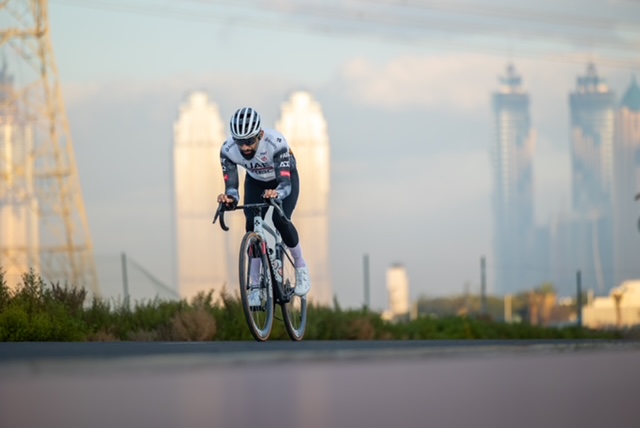
Most weeks, I train between eight and thirteen hours, and that includes recovery. This is not because I cannot do more, but because I have found this is the range that allows me to be consistent while still showing up properly in other areas of my life. It allows me to be present at home, perform effectively at work, and approach training with intent rather than simply ticking off sessions.
When I stay within that range, I notice a clear difference. I am more focused, more engaged, and more deliberate in how I train. Over time, that consistency has proven far more valuable than simply increasing volume for the sake of it.
My focus within training has also shifted. Rather than chasing peak numbers such as FTP or VO₂ max, I am far more interested in building durability. For me, durability is about the ability to continue performing under fatigue, to back up effort's day after day, and to remain consistent over time.
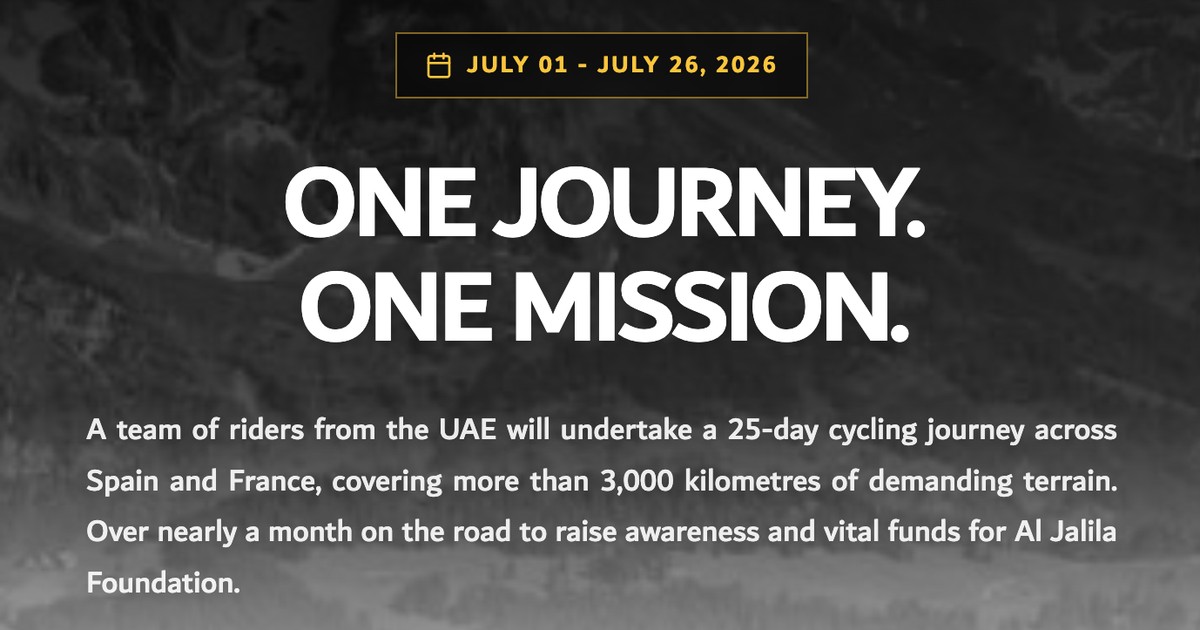
This has been shaped by what we are currently preparing for. As part of Cycle Against Cancer, in support of the Al Jalila Foundation, our team will be undertaking a ride that spans over twenty days across Spain and France. The nature of this challenge changes the mindset entirely. It is not about a single performance, but about the ability to show up consistently over an extended period.
To support this, when time allows, I introduce short training blocks of three to six consecutive days where I ride between three and six hours per day. These blocks help simulate the demands of consecutive days in the saddle, allow me to better understand how fatigue accumulates and reinforces the importance of pacing, nutrition and discipline. They are not something I do constantly, but when used at the right time, they are an effective tool.
Recovery has also become a more deliberate part of my approach. It is no longer something that happens after training, but something that is built into the process itself. Sleep, nutrition, lower-intensity sessions, and simply listening to how I feel all play a role. There are times when the data suggests one thing, but experience suggests another, and over time I have learned the importance of paying attention to both.
One of the most important lessons I have learned is that training does not exist in isolation. Work demands, life stress, and family commitments all influence how well I can train and recover. Managing that interaction has been critical in making this approach sustainable.
Ultimately, this is not about finding a perfect system. It is about finding something that is repeatable, sustainable, and aligned with the rest of life. For me, this approach has allowed me to continue progressing, remain present where it matters most, and prepare properly for what lies ahead.
More than anything, this journey is not just about the riding. Being part of Cycle Against Cancer, supporting the Al Jalila Foundation, gives everything a deeper meaning. Every session, every early morning, and every challenge along the way is connected to something far more important than performance.
It is about contributing to a cause that supports those impacted by Cancer, particularly children and families, and that is something I am incredibly proud to be part of. If this approach allows me to show up consistently for that purpose, then I know I am on the right path.
Because in the end, it is not just about how far we can ride. It is about why we ride in the first place.